If you rely on your garbage disposal to make kitchen cleanup easier, then you know what a time-saver it can be. But just like your car or HVAC system, your disposal needs care to keep running smoothly. In our years servicing disposals and plumbing systems here in Albuquerque, we’ve seen everything from jammed blades to burnt-out motors — all resulting from maintenance failure or just putting the wrong things down the disposal.
This guide will walk you through everything you need to know about keeping your disposal clean, safe, and efficient, without needing a toolbox or a plumbing degree.
Understanding How Your Garbage Disposal Works
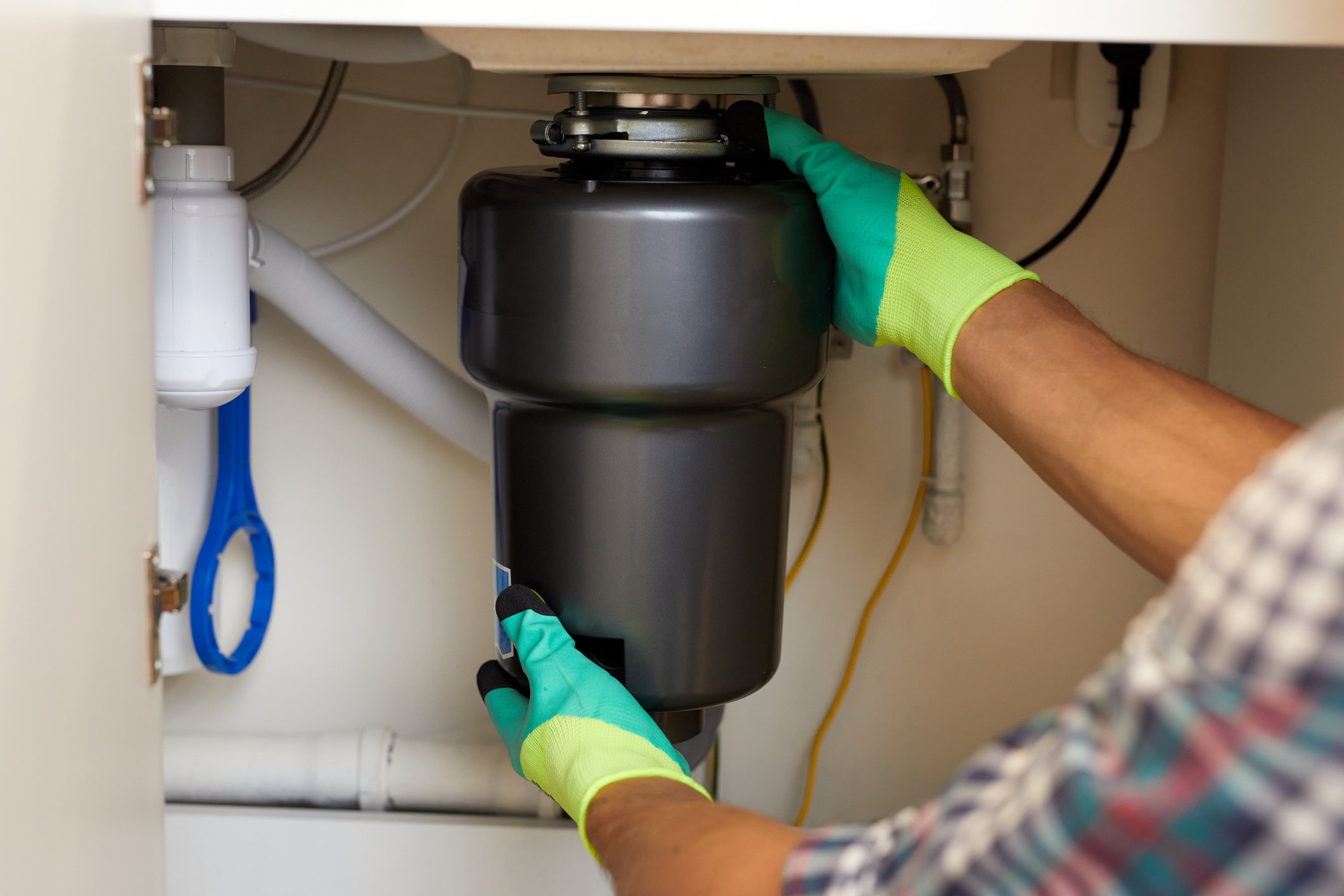
Many people think a garbage disposal is like a blender with sharp blades. In reality, it’s more like a small grinding chamber. When you turn it on, a spinning plate (called an impeller plate) pushes food waste against stationary grinding rings. These rings break waste into tiny particles that can wash easily down your drain with water.
Knowing this helps you understand what not to put into the disposal — and why certain maintenance steps can extend its lifespan.
What You Should and Shouldn’t Put Down the Disposal
If it’s not biodegradable and soft enough to grind easily, keep it out. Even small mistakes can clog your plumbing or damage the disposal’s inner parts.
Safe items include:
- Soft food scraps like chopped vegetables, fruits, and leftovers
- Small amounts of cooked meat
- Citrus peels (they help keep the disposal fresh)
- Diluted dish soap and cold water
Items to avoid:
- Grease, fats, and oils—they solidify in pipes and cause clogs
- Fibrous vegetables like celery, corn husks, or artichokes
- Pasta, rice, and potato peels—they expand with water and gum up the blades
- Coffee grounds and eggshells—they form sludge that clogs drains
- Non-food items like spoons or bottle caps
- Bones—they can chip parts or jam the mechanisms
- Peach pits, avocado stones, cherry pits, and others—they can bend internal parts
When in doubt, put questionable waste in the trash or compost bin instead.
Daily and Weekly Maintenance Tips
1. Always run cold water: Use a steady flow of cold water before, during, and after running the disposal. Cold water helps solidify any grease or oil, making it easier for the disposal to grind and flush it away safely.
2. Keep it clean: Once a week, pour in a small amount of liquid dish soap, followed by running cold water for about a minute. This helps rinse away grease buildup and food residue.
3. Use natural drain cleaners: Skip harsh chemical drain cleaners — they can corrode parts of your disposal. Instead, try this simple freshening routine once or twice a month:
- Drop a few ice cubes and some coarse salt into the disposal to help scrub away stuck debris.
- Follow with a few lemon or orange peels to deodorize.
- Finish by rinsing with cold water.
4. Don’t overload it: Feed waste in small batches rather than forcing a large amount down at once. Overloading strains the motor and increases the risk of jams.
How to Unclog or Reset a Disposal Safely
If your disposal suddenly stops working or starts humming without turning on:
- Turn it off and unplug it or, even better, switch off the circuit breaker.
- Look inside using a flashlight — never your hands. Remove visible blockages with pliers or tongs.
- Try pressing the small reset button on the bottom of the unit (usually red or black).
- If it still won’t run, insert a hex wrench (often included with the unit) into the manual crank hole at the bottom and turn it back and forth to free any jams.
Afterward, restore power and test it with running water. If it continues to hum or trip the breaker, it’s time to call a licensed plumber.
When to Call a Professional
Even with the best maintenance habits, disposals don’t last forever. The average unit lasts about 10–12 years. You may need professional help if you notice:
- Persistent clogs or slow drains
- Leaks under the sink or from the disposal housing
- A burnt smell or a repeatedly tripped breaker
- Loud grinding or rattling noises
In some cases, replacing an old or undersized unit makes more sense than repairing it. Our technicians start by looking at your sink configuration and electrical setup. Then, after asking about your household needs, we can recommend the best model for your home.
Count On Rocketman Plumbing to Solve Disposal Problems
A few simple habits — running cold water, avoiding certain foods, and keeping it clean — enable you to prevent most issues before they start. When you need disposal repair or replacement, call us! Our techs are available 24/7 to help with leaks, repairs or other emergencies. Call us at (505) 243-1227 for fast, accurate service!