
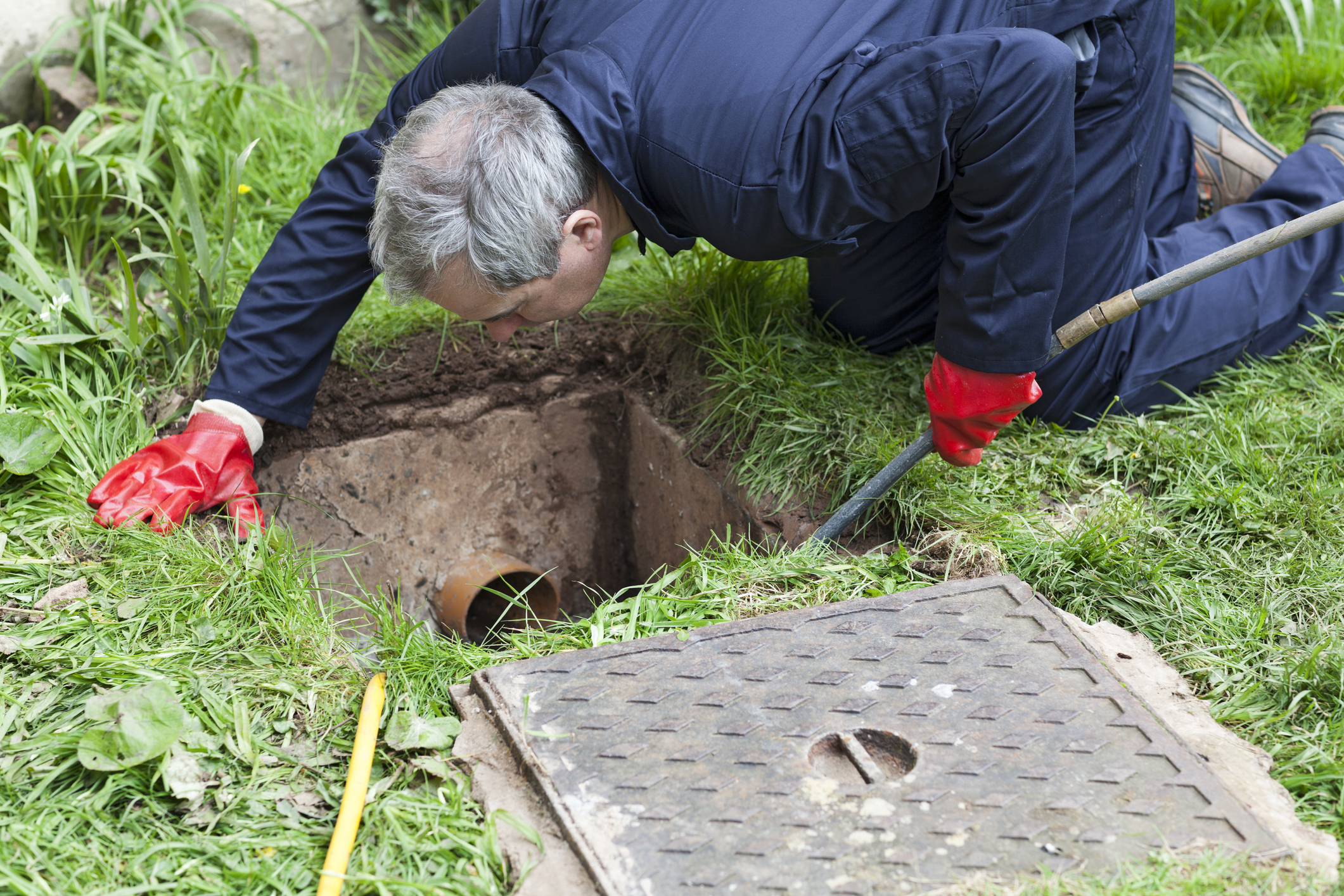
 Your sewer line is one of the most important—and most overlooked—parts of your home’s plumbing system. This line carries all the wastewater from your sinks, showers, and toilets safely to the city sewer system. When it’s functioning properly, you never notice it. But when something goes wrong, sewer problems too often cause messy, unsanitary backups, unpleasant odors, and even serious property damage.
At Rocketman Plumbing, we help homeowners all across the Albuquerque area protect their homes with thorough sewer camera inspections, effective repairs, and accurate maintenance. Here’s what you need to know about keeping your sewer line in good health.
Why Sewer Line Health Matters
If your sewer line becomes clogged or damaged, water and waste have nowhere to go. That’s when you’ll notice smells or sewage leaking into your home. Leaks can also contaminate soil in your yard or damage your foundation. Wherever there is sewage leaking, you can start having pests, odor, and, of course, sanitation problems.
In the Albuquerque area, the soil often contains a significant amount of clay. This clay-rich soil expands and contracts with moisture changes, and that puts pressure on buried sewer lines. Combined with tree root intrusion and natural aging, you’ve got a significant risk for cracks, leaks, and blockages. That’s why knowing the signs of sewer line problems or damage and keeping an eye out for them is vital.
Common Causes of Sewer Line Damage
Common sewer line problems in the Albuquerque area include:
- Tree root intrusion: Tree roots are drawn to the moisture inside sewer lines. They’ll find their way into joints and cracks, eventually forming clogs and breaking sections of pipe.
- Aging materials: Older homes often have clay or cast-iron pipes that deteriorate over time. These older materials can corrode or collapse, especially under shifting soil.
- Grease buildup: Oils, fats, and soap residue can stick to the inside of pipes, building up layer by layer until drains slow or stop entirely.
- Ground movement: The expansion and contraction of soil can cause sewer lines to get misaligned, which can slow the flow of sewage. Some pipes may get a “belly” or sagging area, which causes backups inside your home.
- Foreign objects: Paper towels, “flushable” wipes, and other non-dissolving waste can quickly block a sewer line.
Warning Signs You Might Need Sewer Line Repair
Because your sewer line is underground, the first signs of trouble may appear inside your home or in your yard. Watch for these early signs:
- Multiple slow drains: If several drains—especially on a lower level—start backing up at once, your main line is likely clogged.
- Gurgling or bubbling sounds: Air trapped by obstructions often causes gurgles when you flush or drain water.
- Unpleasant odors: Sewer gas smells near drains, basements, or the yard usually mean there’s a leak or blockage.
- Wet spots in the yard: Damp or unusually green patches of grass may indicate a leaking sewer line.
- Recurring backups: If clogs come back shortly after being cleared, it’s a strong possibility that the main sewer pipe needs repair.
If you spot these red flags, it’s time to schedule a professional sewer camera inspection in Albuquerque to find the underlying cause.
How Sewer Video Scoping Helps
Using specialized video cameras, our plumbers can examine your sewer line from the inside. “Scoping,” running our camera down your sewer line, reveals the exact location of blockages, cracks, root intrusion, or other damage that needs repair. By pinpointing the problem, we can quickly begin repairs to restore your home’s functionality. This procedure avoids unnecessary digging or the need to replace the whole line.
How to Keep Your Sewer Line Flowing
There are several ways you can protect the health of your sewer system:
- Only flush toilet paper and waste: Wipes, paper towels, and hygiene products belong in the trash.
- Don’t pour grease down drains: Let oils and fats cool and then dispose of them in a safe container.
- Install drain screens: Catch hair, food scraps, and debris before they enter your pipes.
- Get your sewer line inspected: Having your system scoped every few years is the best way to catch small cracks or early root growth.
- Landscape carefully: Avoid planting trees with large root systems near your sewer line.
When It’s Time to Call a Plumber
When your home shows any of the signs of sewer problems, call us promptly. You don’t want to wait until backups cause smelly and unsanitary problems. With our video inspection tools, we can quickly diagnose the problem and get your repair done the right way.
At Rocketman Plumbing in Albuquerque, we’re ready to help you day or night. Call us at 505-243-1227 for fast service and accurate repairs.