That constant sound of a running toilet can drive anyone a little crazy. It’s quiet enough to ignore for a while, but once you notice it, it’s all you hear. And you know you’re wasting water every second you have to listen to that sound. The good news? A running toilet isn’t usually a sign of serious plumbing trouble. In most cases, you can stop that trickle with a few simple adjustments.
What’s Happening Inside The Toilet Tank?
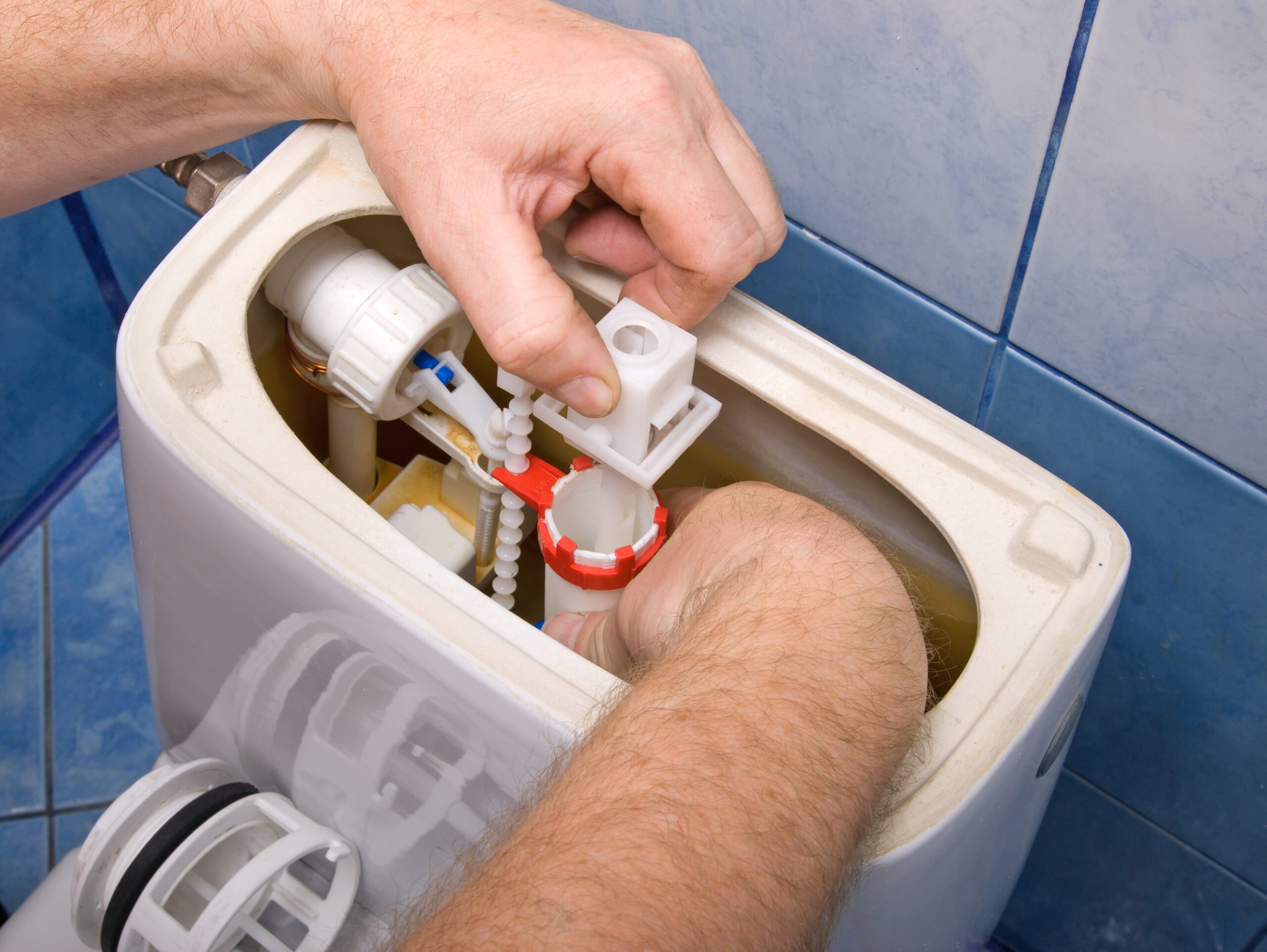
Toilets are designed to refill the tank after every flush, then seal tightly until the next use. When something inside the tank wears out, sticks, or slips out of place, water keeps flowing between the tank and the bowl. Here are five of the most common reasons that happens — and how to stop the leak before it boosts your water bill.
1. Flapper No Longer Seals: The flapper is the rubber stopper at the bottom of your toilet tank — it’s what keeps water from escaping once the flush is complete. Over time, it can harden, warp, or collect mineral buildup, leaving a tiny gap that lets water trickle through nonstop. To replace it, turn off the water supply and flush to drain the tank. Unhook the chain from the flapper arm, and remove the old flapper from the overflow tube pegs. Snap a new flapper onto the pegs, reattach the chain with ½-inch slack, turn the water on, and test the seal by flushing.
2. Flush Chain Is Too Short/Long: Inside your tank, a small chain connects the handle to the flapper. If that chain is just a little too short, the flapper can’t close completely. Too long, and it can get tangled or stuck under the flapper. A quick adjustment is usually enough to solve the problem—no tools required. To fix this issue, lift the tank lid and observe the chain linking the flush handle to the flapper. Adjust its length by moving the clip—shorten if too slack or lengthen if too tight to let the flapper seal. Aim for ½-inch slack when closed for smooth operation.
3. Water Level Is Set Too High: Sometimes the issue isn’t a leak at all, but too much water. If your tank fills past the top of the overflow tube, extra water will spill directly into the bowl. It’s a slow, steady waste that’s easy to miss but adds up fast. For older models with a float arm, gently bend the metal arm downward using pliers (pad with cloth to avoid scratches) until the water level sits about one inch below the overflow tube. On newer cup-style floats, turn the adjustment screw or dial clockwise to drop the level. Test by flushing and refilling.
4. Fill Valve Isn’t Shutting Off Completely: If you hear water constantly flowing after the tank should be full, your fill valve might not be sealing properly. Sediment or wear inside the valve can prevent it from closing all the way. When this happens, your toilet never truly “rests.” A replacement part is available at most home improvement stores. Turn off the water supply, flush to drain the tank, unscrew and lift out the old valve from the tank bottom. Insert new universal valve (with gasket), secure nut hand-tight plus quarter-turn with a wrench. Adjust the float height, reconnect the water line, and test the refill.
5. Overflow Tube Has a Hidden Leak: Also possible is a crack in the vertical pipe in the middle of the tank. Even a hairline crack can let water escape slowly into the bowl.
If you’ve checked the other causes and your toilet still runs, this could be the problem. In that case, it’s worth calling in a plumber for a quick replacement, especially if your toilet is older or showing signs of wear.
Rocketman Plumbing Is Ready to Help Whenever DIY Doesn’t Do It
While most of these repairs are fairly minor and you might be able to do them yourself, there are times you need a pro. Our teams are ready 24/7 to help get your household back up and running—ending water waste and that annoying trickle! If DIY didn’t get the result you wanted, go ahead and call us and we’ll get a courteous, well-trained team to your home. In the Albuquerque area, call Rocketman Plumbing at 505-243-1227.